Hardly any factor shapes your night as directly as temperature. Too warm, and you fall into sleep later and wake up more often. Too cool, and your body loses heat. Research describes quite precisely which values support sleep.
What is the ideal room temperature for sleep?
A review on the temperature dependence of sleep names an optimal room temperature of about 19 to 21 °C. In this range, the body keeps a skin climate of 31 to 35 °C under the covers, and deviations from it have a negative effect on sleep [1].
So what matters is not the room alone, but the climate directly at your body. With bedding and clothing, sleep stayed stable in studies across a wide range of room temperatures [2]. What counts is the bed climate: during normal sleep it lies at about 32 to 34 °C and 40 to 60 % relative humidity [2].
Why temperature decides your way into sleep
Sleep begins with a temperature signal. About two hours before sleep, core body temperature falls, and the first sleep stage is most likely to begin where the curve falls most steeply [1]. To do this, the body releases heat through the hands and feet. How far the blood vessels there widen is a good predictor of sleep onset [1].
Small differences already have an effect. In studies, warming the skin by just 0.4 °C shortened the time to sleep without changing core temperature [1]. Warm feet shorten this time too [2]. And a warm bath some time before bed, not immediately before, shortens the way into sleep and deepens it [1].
What heat and cold do to sleep
Heat is the stronger disruptor. In warmth, wake phases increase, deep and REM sleep decrease, and the effect did not fade even after five days [2]. High humidity intensifies it: humid heat increases time awake further and reduces REM and deep sleep even more [2].
Cold works differently. With bedding, cold did not change sleep stages in studies, but it did change how the heart and circulation are regulated during sleep [2]. So your body is working, even if you do not notice. Sensitivity rises with age: in older people, even mild warmth increases time awake and reduces REM sleep [2].
How to find your sleep temperature
Keep the bedroom cool, around 19 to 21 °C [1]. Pay attention to duvet and bedding, because the climate under the covers matters more than the number on the thermostat. Air the room before you sleep, especially in summer. And notice how you sleep: temperature perception is individual, and your ideal temperature can change from night to night, for example after training in the evening. If you sleep as a couple, a bed with two temperature zones helps.
How VIGOORI holds your temperature
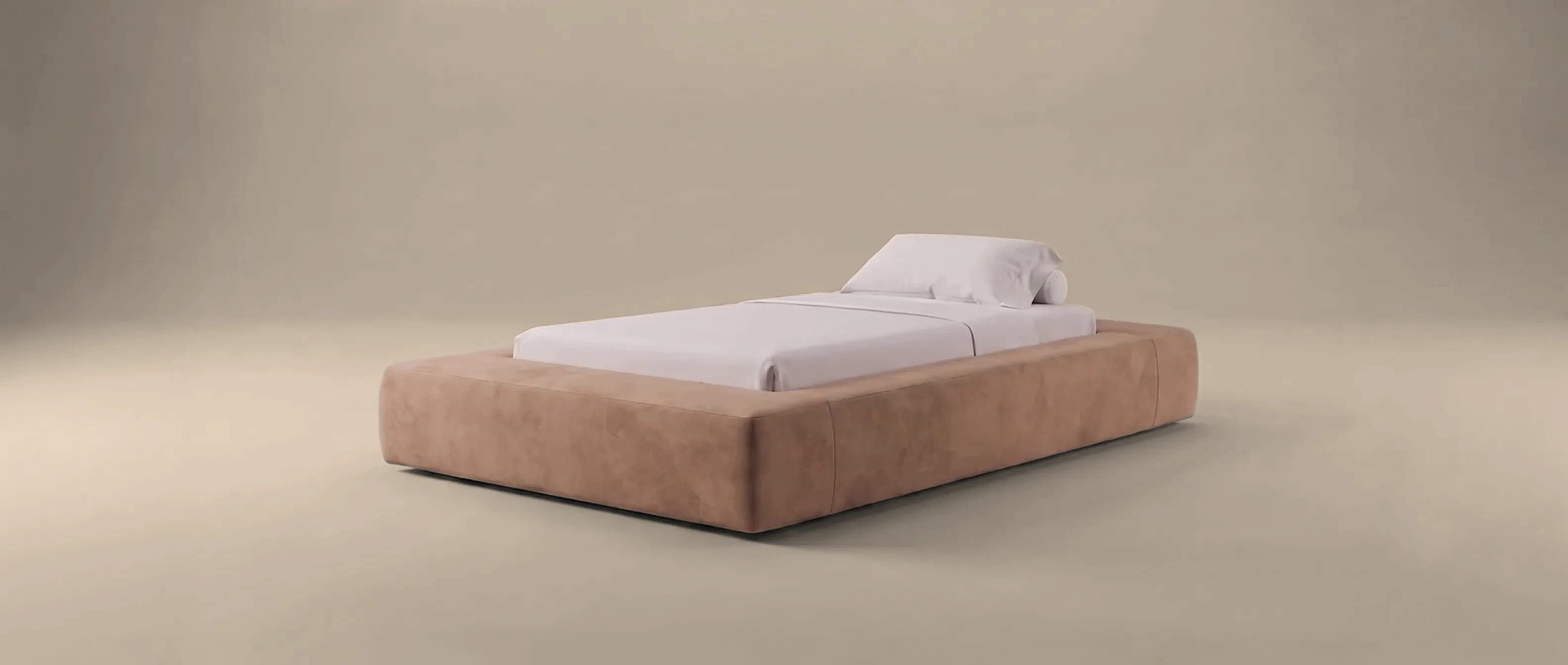
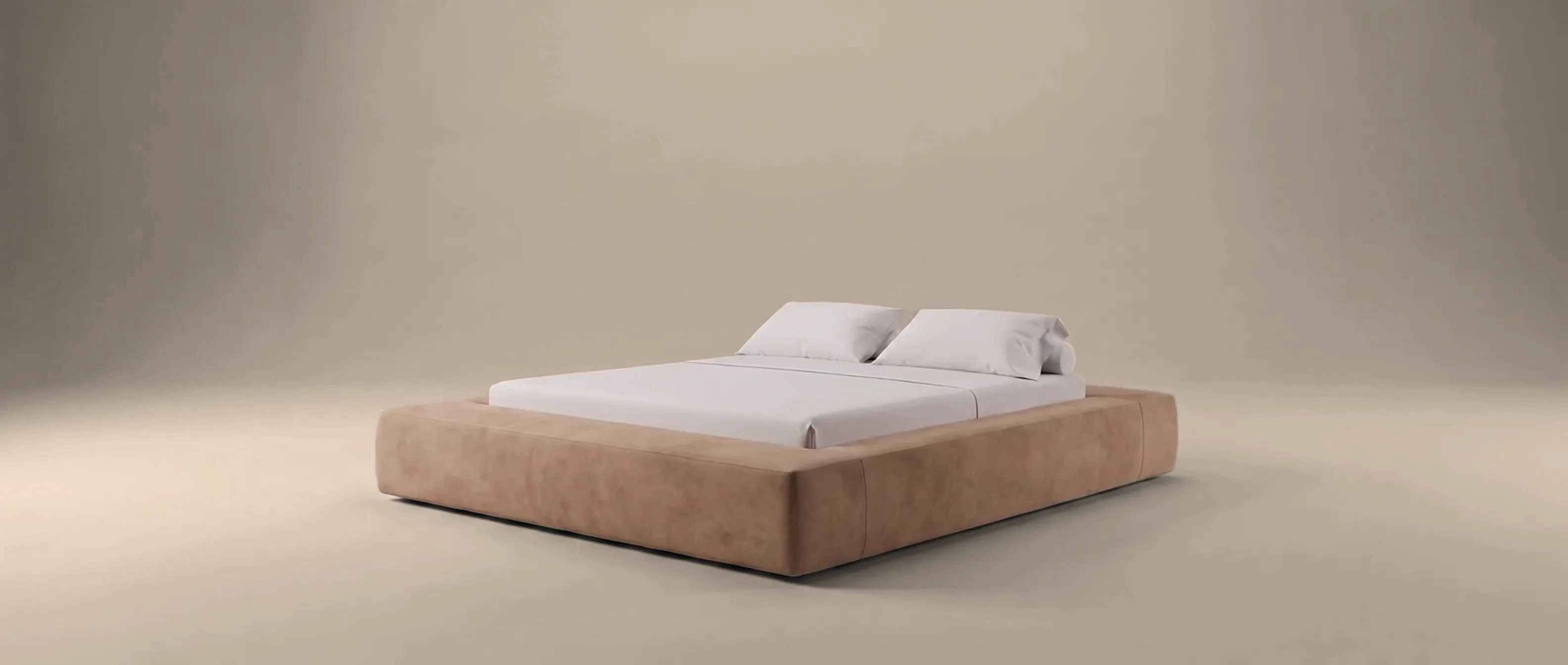
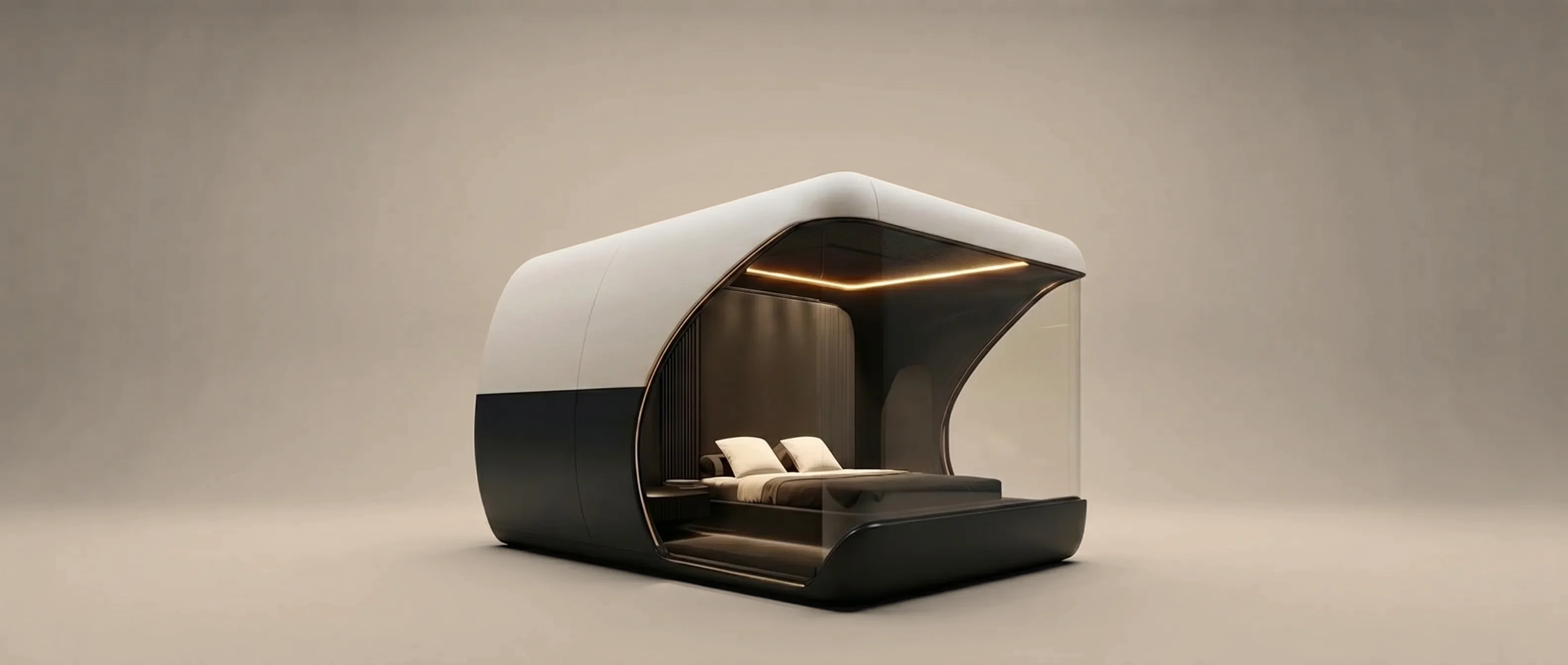
A thermostat regulates the room. VIGOORI regulates the climate directly at your body. In the Power Bed, ThermoBase cools or warms the sleeping surface beneath you so that it holds the value you set. AmbientMonitoring measures temperature and humidity in your bedroom, SleepPulse how calmly you sleep, and the VIGOORI Performance App tells you when to air the room or change the room temperature. In the Podium Pace double, each side has its own temperature zone.
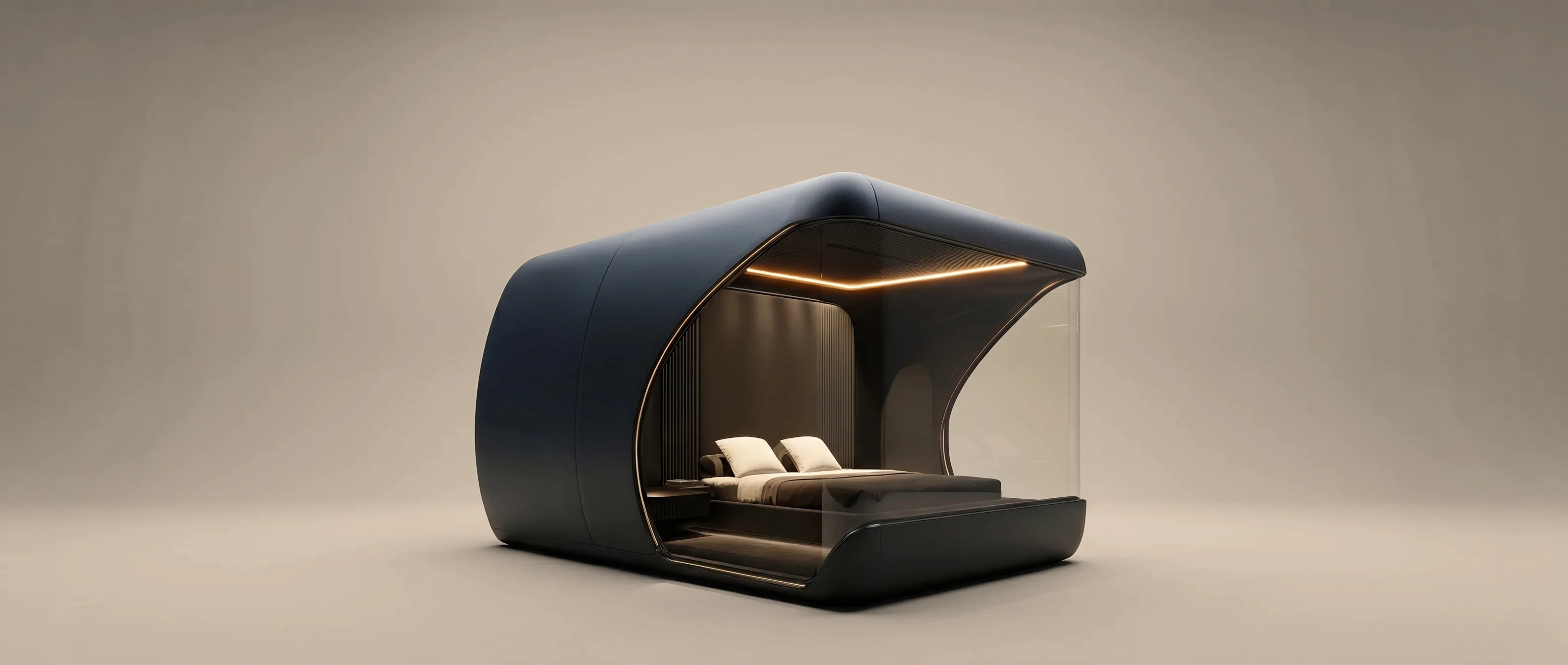
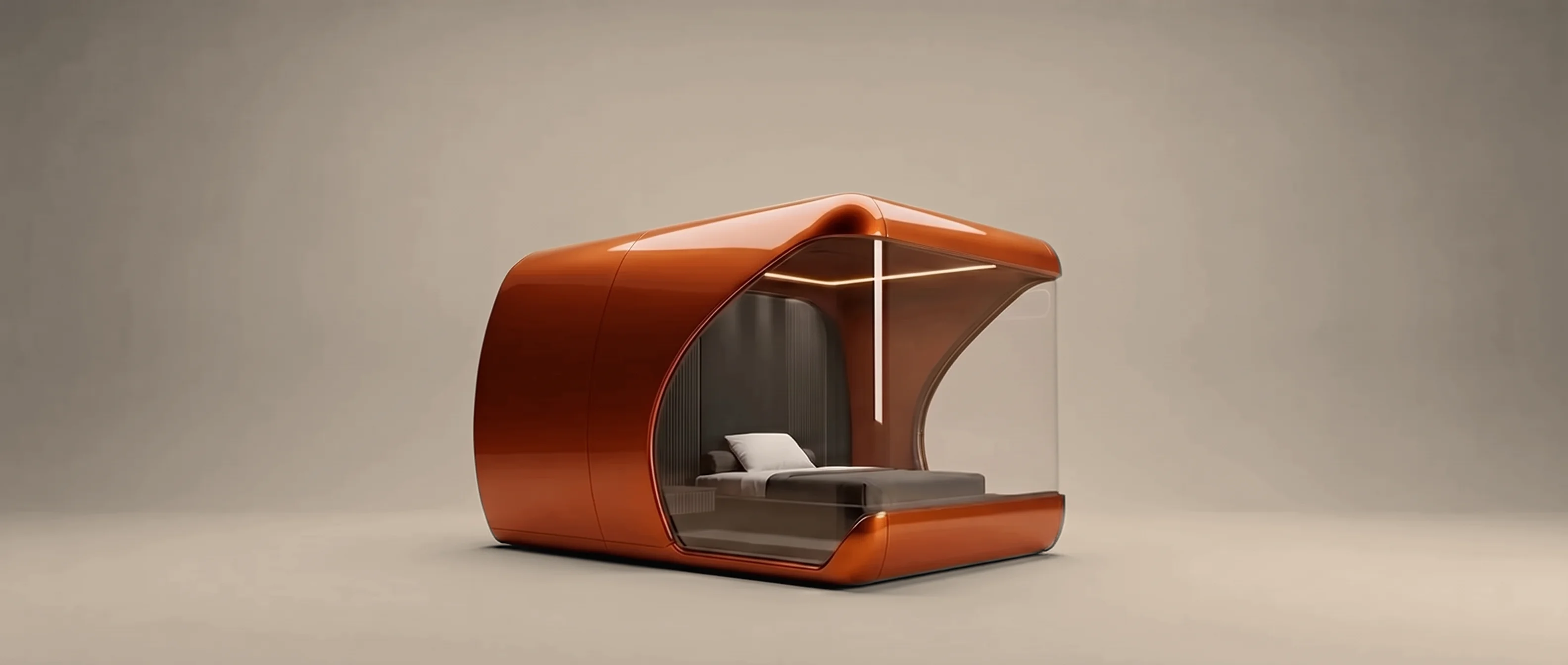
In the Power Cabins, the room air joins in: ThermoDrift regulates the temperature of the whole room, night after night.
The result: a night at your temperature, from the first moment to the last. Sleep faster. ThermoBase is available now in the Power Bed Podium Pace, ThermoDrift from April 2027 in the Power Cabins.