You train hard, eat with purpose and plan every session. Yet progress does not happen in training. Training sets the stimulus, adaptation happens afterwards, in recovery. And its most important part takes place at night.
What happens in sleep after training
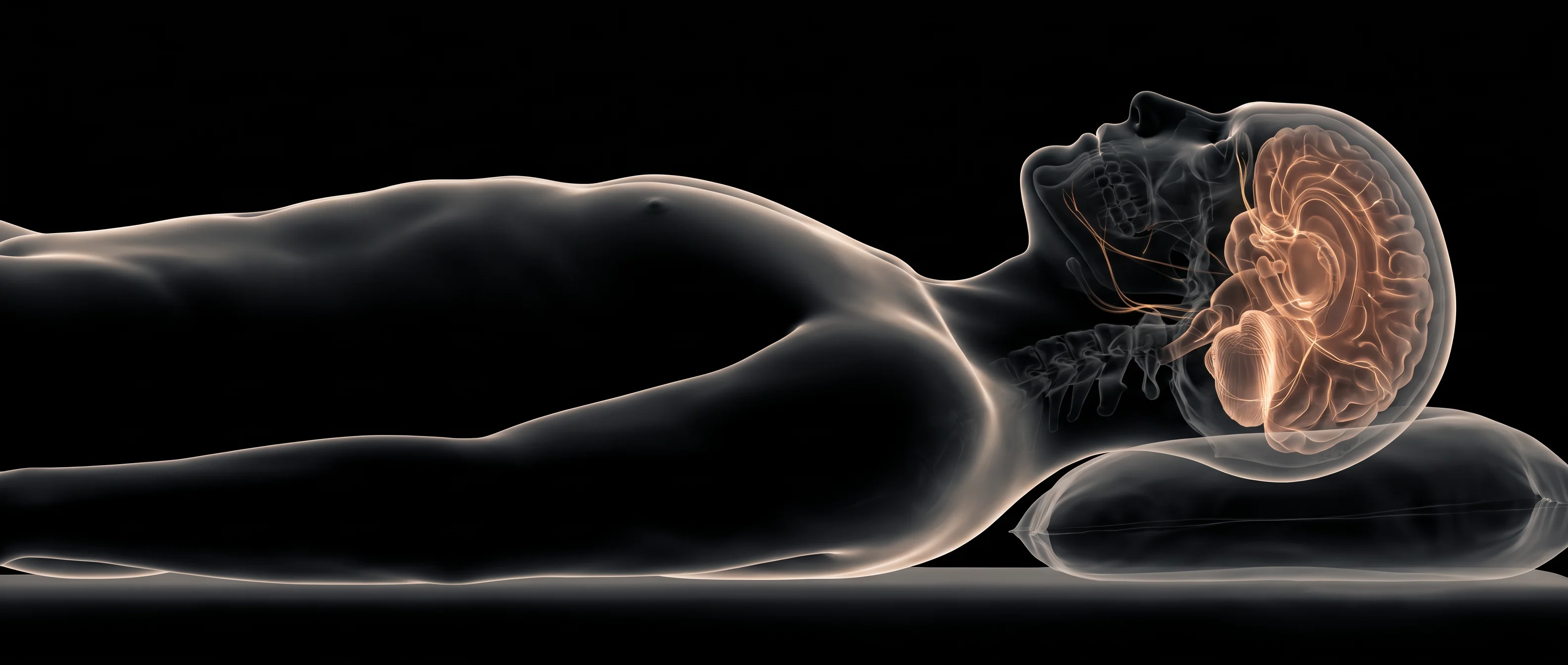
During sleep, the body releases growth hormone. It peaks shortly after sleep onset and is clearly higher in deep sleep than in the other sleep stages [1]. At the same time, the parasympathetic nervous system, the part responsible for recovery, is at its most active while you rest in sleep [2].
What too little sleep costs your training
A meta-analysis of 77 studies found that acute sleep loss reduced physical performance by 7.56 % on average [3]. The loss depended on the type of exercise: strength endurance fell by 9.85 %, high-intensity intervals by 6.15 %, endurance by 5.55 %, maximal strength by 2.85 % [3]. Technically demanding tasks were hit hardest, at 20.9 % [3].
Negative effects appeared mainly after nights without sleep and when sleep was cut short in the morning [3]. That is the alarm before an early session, the dawn flight to a competition.
What has been shown to improve recovery
In athletes, more sleep and naps proved the most effective measures [4]. Those who usually sleep around seven hours benefit, according to the review, from 46 to 113 minutes more per night, and a nap of 20 to 90 minutes can improve performance [4].
Conditions in the bedroom count too. Heat lengthens time awake and reduces deep and REM sleep, and the body does not adapt even after five days [5]. Especially after an evening session, a sleeping surface that adds no extra warmth pays off.
Measure recovery instead of guessing
How well you have recovered shows at night. In a study of 24 runners, heart rate and heart rate variability measured at night responded sensitively to intensive training, and their changes were linked to performance development [2]. What counts is the trend over days and weeks, not the single night. More on this in the article on HRV.
The essentials for your recovery
Plan sleep as part of your training plan. Schedule hard sessions so that your night is not cut short in the morning. Make up for short nights with a nap. Keep the bedroom cool, dark and quiet. And look at your development over weeks, not at a single night.
How VIGOORI supports your recovery
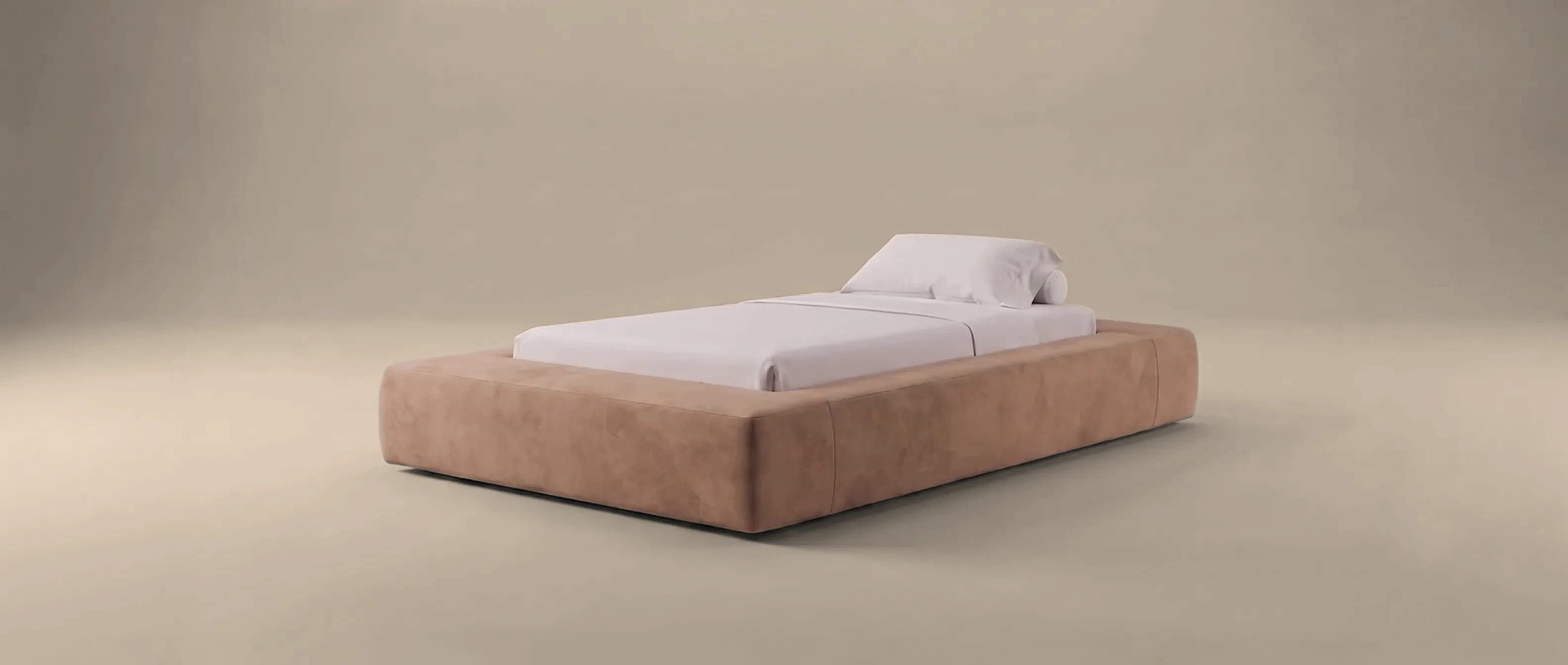
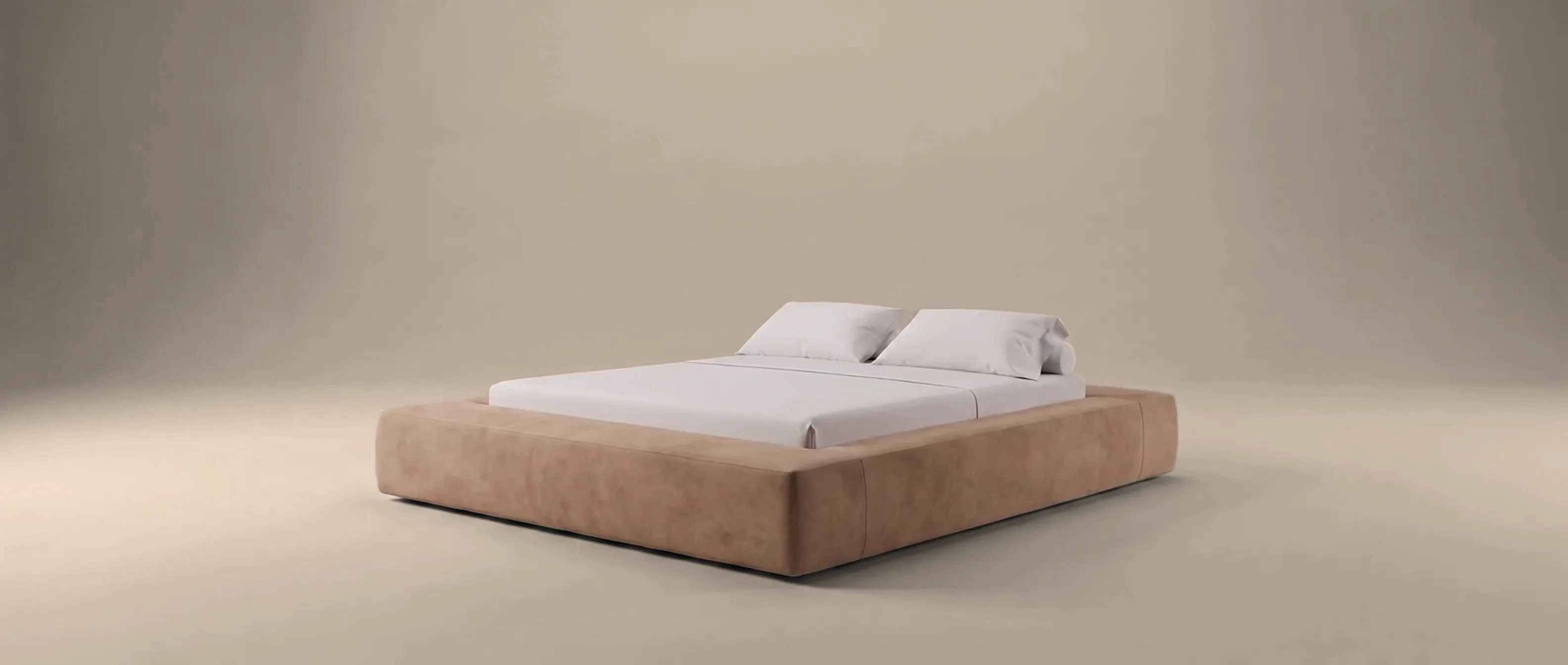
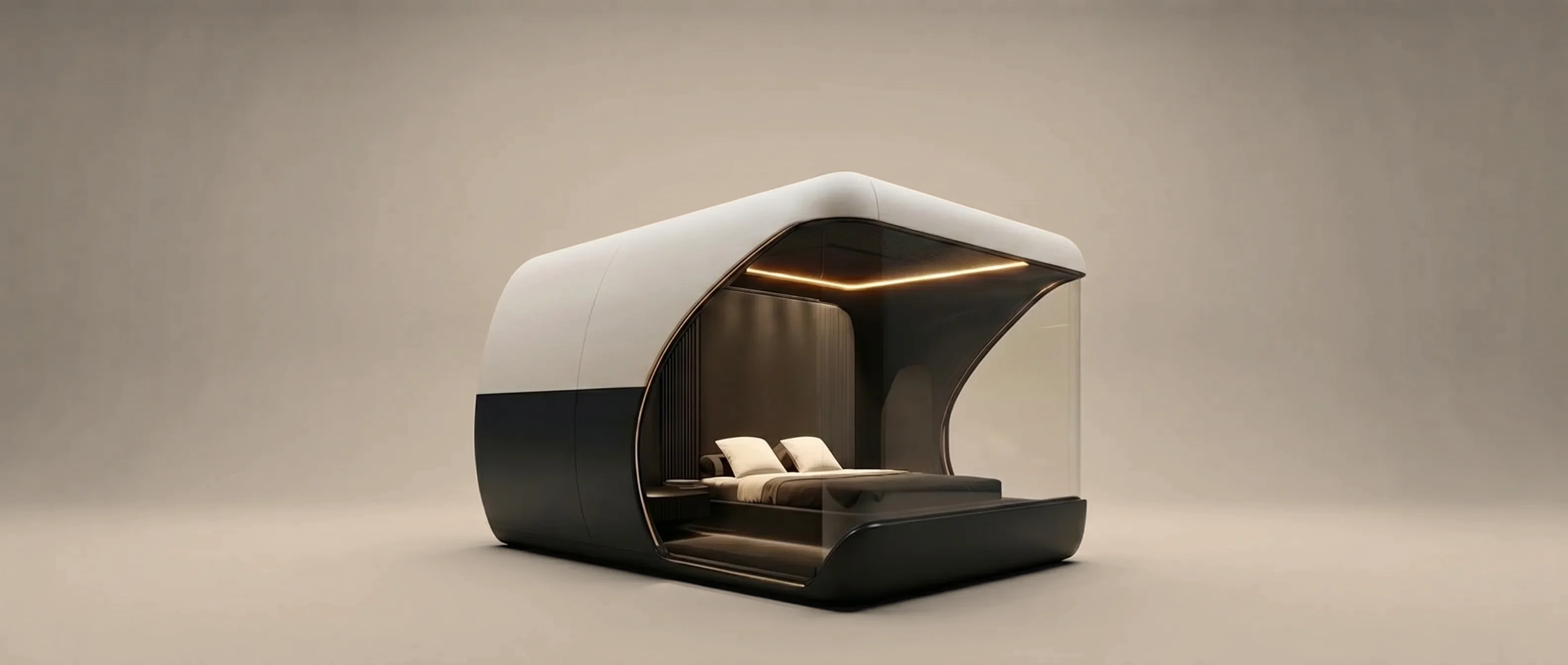
VIGOORI makes the night part of your training. SleepPulse records your movements in the Power Bed and shows you in the Night Motion Score how calm your night was. ThermoBase cools the sleeping surface after a hard evening session and warms it when you cool down. PressureShift sets the firmness to your values so your body lies relieved.
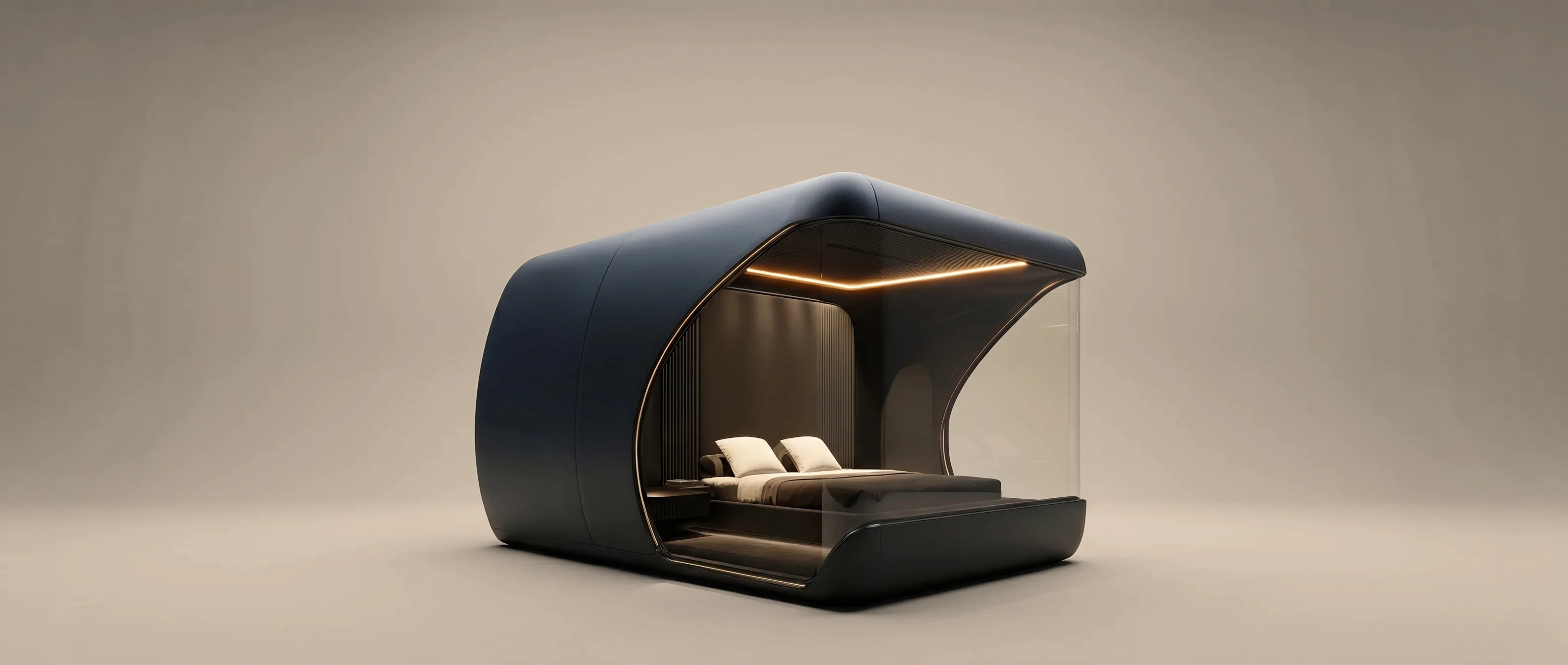
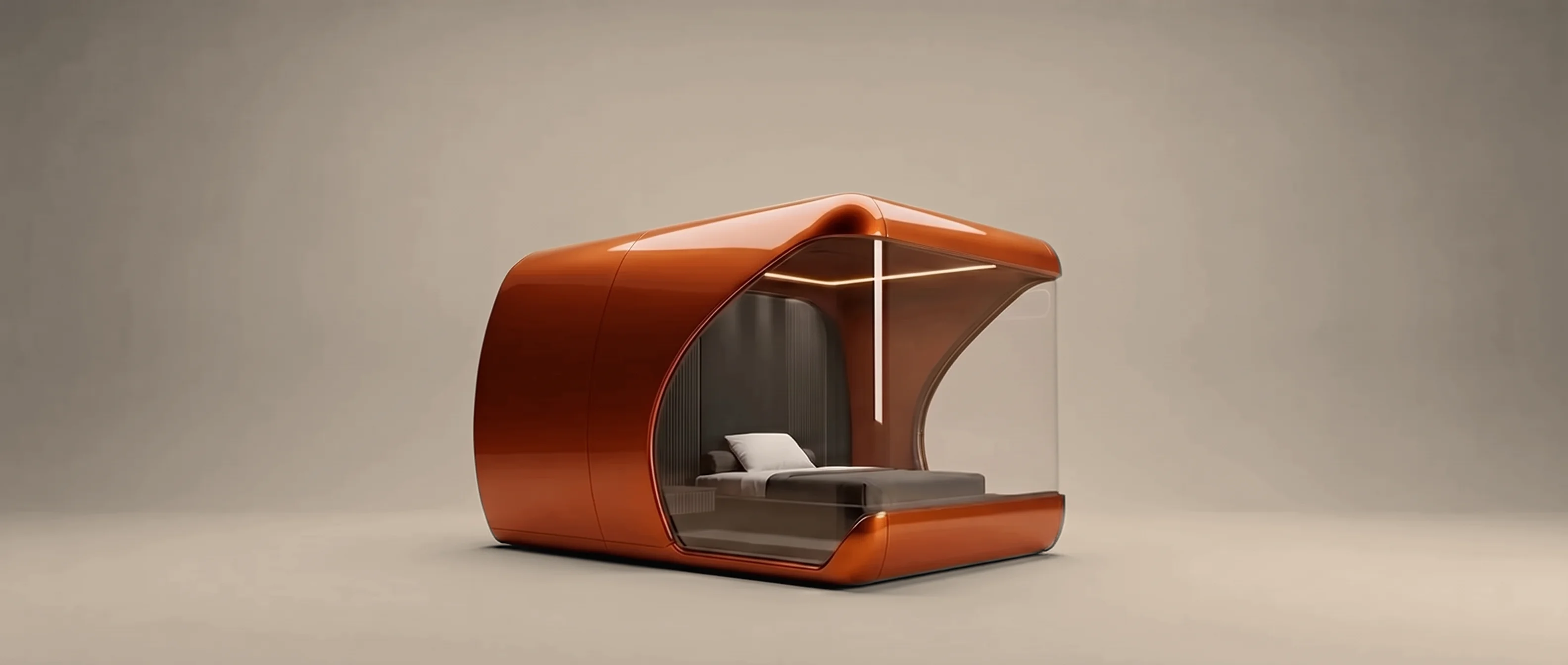
In the Power Cabin, further functions join in: RockFlow with a gentle rocking motion, SolShift for your rhythm after away trips, and in selected Power Cabins AltFlexO² for oxygen-enriched air.
The result: you wake up ready for the next session. Recover deeper. SleepPulse and ThermoBase are available now in the Power Bed Podium Pace, PressureShift from November 2026, the Power Cabin functions from April 2027.