HRV is one of the most watched numbers in sport and biohacking. Many want to improve it, few know what it measures. Understand your HRV and you read it correctly; read it correctly and you train and recover with more purpose.
What is HRV?
HRV stands for heart rate variability: the fluctuation in the time intervals between consecutive heartbeats. It reflects the interplay between the sympathetic and parasympathetic nervous systems, between tension and recovery [1]. The key metric is called RMSSD. It is closely linked to parasympathetic activity, the part of the nervous system responsible for recovery [1].
Why the night is the best moment to measure
Parasympathetic activity and HRV are at their highest while you rest in sleep [2]. Values measured at night during deep sleep are considered especially telling about your baseline state of recovery [1]. Nightly measurements also vary less from day to day than measurements taken lying down in the morning [2].
In a study of 24 recreational runners, the nightly values responded sensitively to a phase of intensive training, and their changes were linked to performance development [2]. Morning and nightly measurements did not always show the same thing [2]. So if you measure, stick to one moment.
Why the trend matters more than a single value
A single measurement says little. It responds to stress, disrupted sleep and the environment [1]. Experts therefore recommend tracking HRV over days and weeks and reading it in the context of training [1]. A personal baseline takes at least a week of measurements [1].
A higher HRV is not automatically better either. In the runners study, nightly HRV rose under intensive training and reflected a positive adaptation [2]. What stands out is a clear deviation from your own normal range, in either direction [2].
How to improve your HRV
You do not improve HRV directly, but through what it reflects: your recovery. Create the conditions in which your body can recover, and make your measurement reliable. Always measure at the same moment. Note training, stress and travel. Look at the weekly trend instead of the daily number. And switch off what distorts every night: heat in the bedroom, light and noise [1].
Where VIGOORI comes in
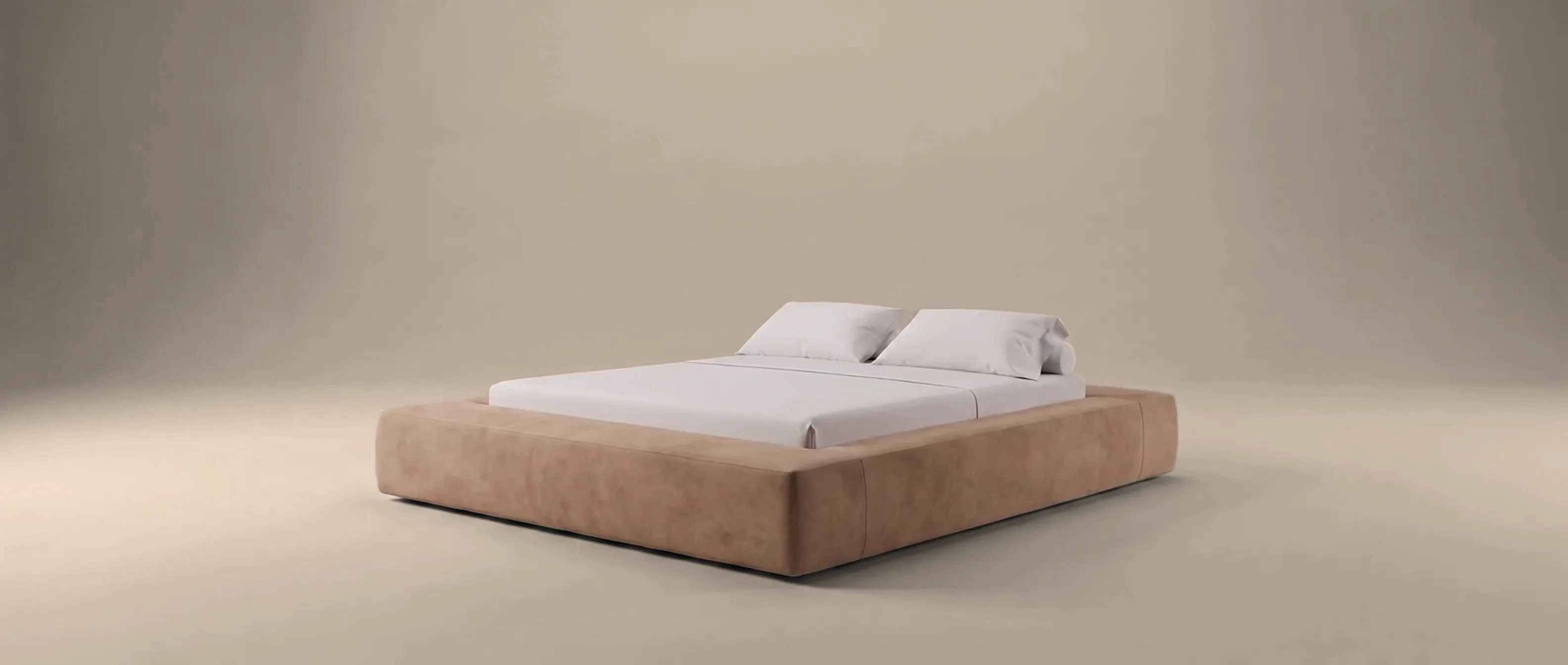
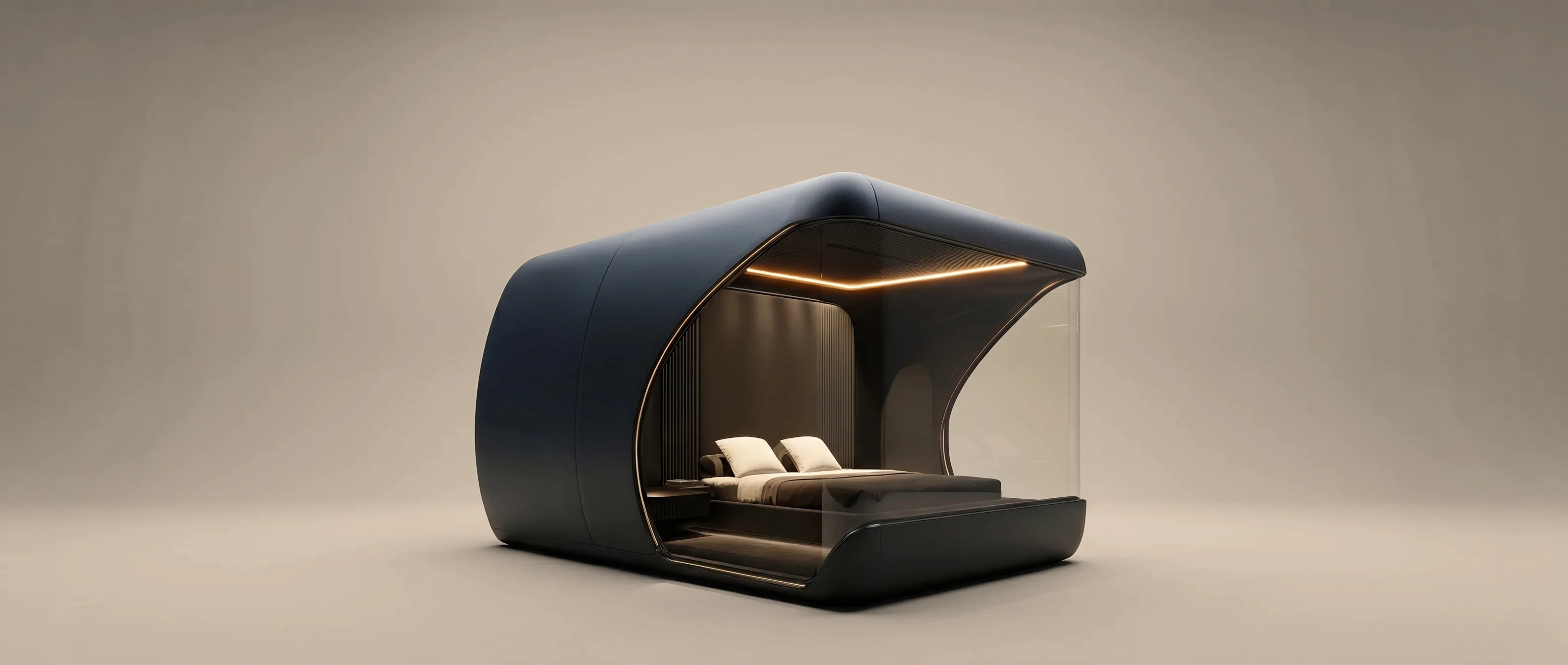
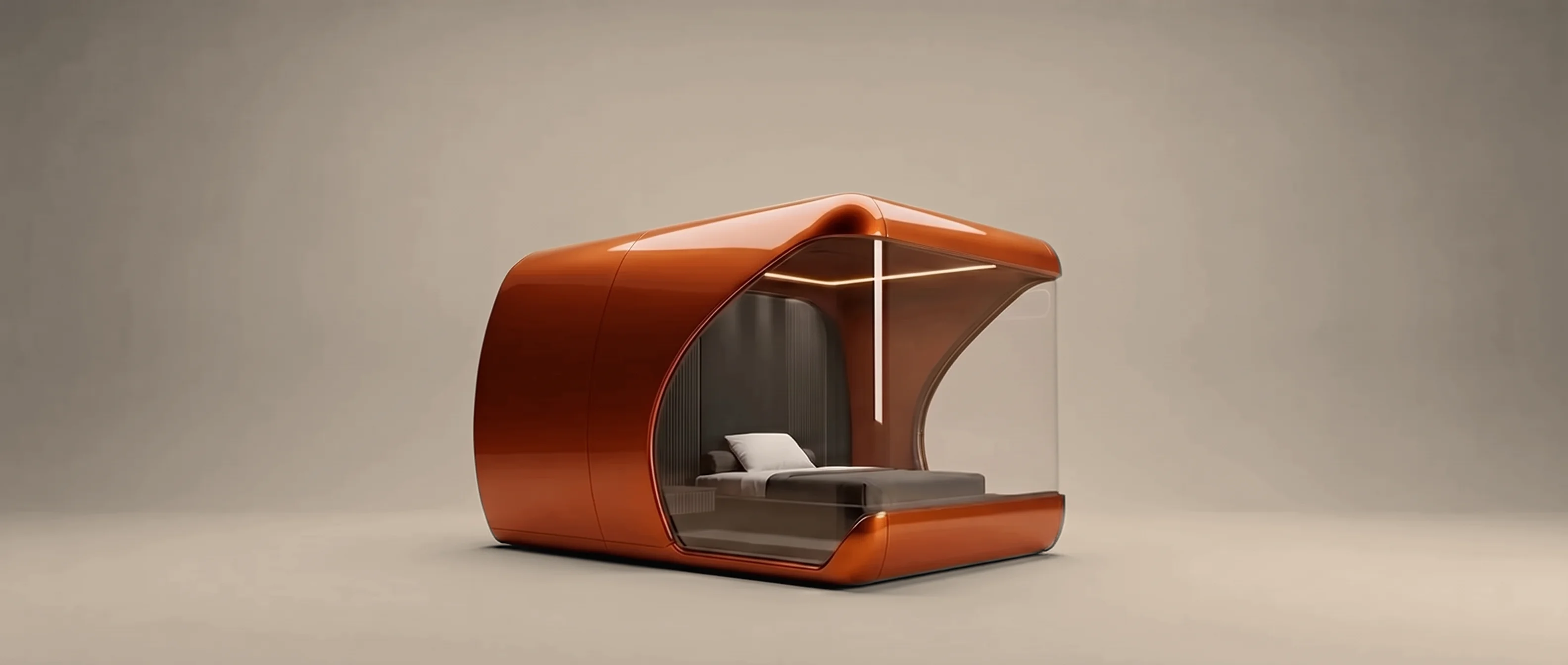
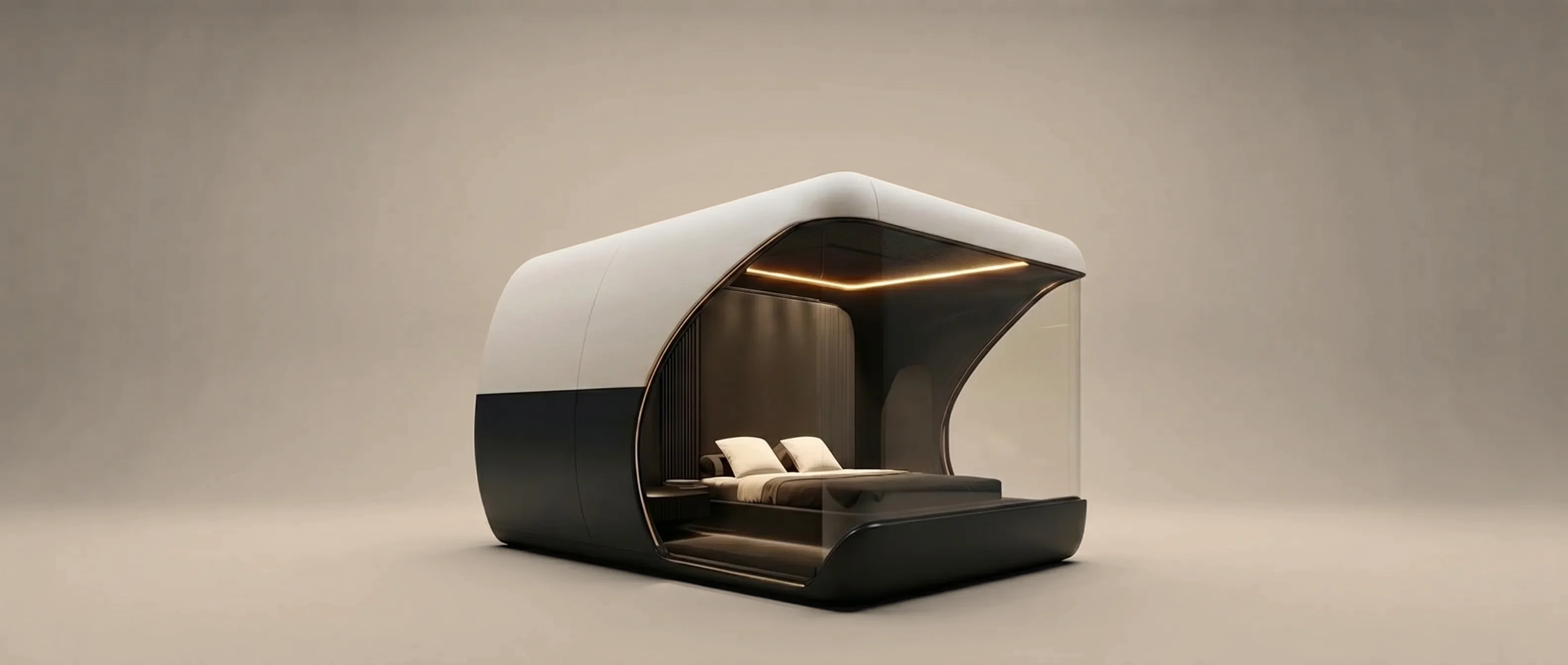
VIGOORI measures your night through movement. SleepPulse records your movements in the Power Bed and sums them up in the Night Motion Score, AmbientMonitoring measures your sleep environment. If you also track your HRV with a wearable, VIGOORI provides what every measurement needs: nights under stable conditions. ThermoBase keeps the sleeping surface at your temperature, and the VIGOORI Performance App shows you when light, air or noise disrupted your night.
The result: fewer disruptions, more reliable nights and values you can read. Recover deeper. SleepPulse, AmbientMonitoring and ThermoBase are available now in the Power Bed Podium Pace. The values are a compass for your performance, not a medical diagnosis.