You slept eight hours and still wake up tired. The length of the night is only part of the equation. How well you sleep is decided by conditions that act all night long: temperature, light, noise, air and your rhythm.
What makes sleep quality
Good sleep quality means: you fall into sleep promptly, sleep calmly through the night and reach enough deep sleep. Every disruptor attacks one of these points. Most of them can be measured and set.
Temperature: cool, but not cold
Heat is the strongest disruptor in the bedroom. It lengthens time awake and reduces deep and REM sleep, and high humidity makes it worse [1]. During normal sleep, the bed climate lies at about 32 to 34 °C and 40 to 60 % relative humidity [1]. Which room temperature fits is in the article on the ideal sleep temperature.
Light: as dark as possible
Light sets the inner clock. Experts recommend dimming light in the three hours before sleep to at most 10 lux melanopic at eye level, and keeping the sleep environment as dark as possible, at most 1 lux melanopic [2]. During the day, on the other hand, plenty of light helps: at least 250 lux melanopic [2].
Noise: even quiet sounds have an effect
Noise wakes you, even if you no longer remember it in the morning. In field studies, every 10 dB rise in the peak level in the room raised the odds of waking by around 35 %, for aircraft, road and rail noise alike [3]. Levels from 33 dB already trigger physical reactions in sleep, and the body never fully gets used to noise [3].
Rhythm: regular beats long
When you sleep counts too. In a cohort of more than 60,000 adults, a regular sleep rhythm was more closely linked to mortality risk than sleep duration [4]. That is an association, not proof of cause and effect. For your everyday life it still means: fixed times, weekends included.
Measure: what you do not measure, you cannot improve
How calm your night was can be read from your movements. Science calls this actigraphy: sleep is inferred from movement. It shows the calm and restlessness of the night, but does not replace an examination in a sleep lab [5].
How VIGOORI improves your sleep quality
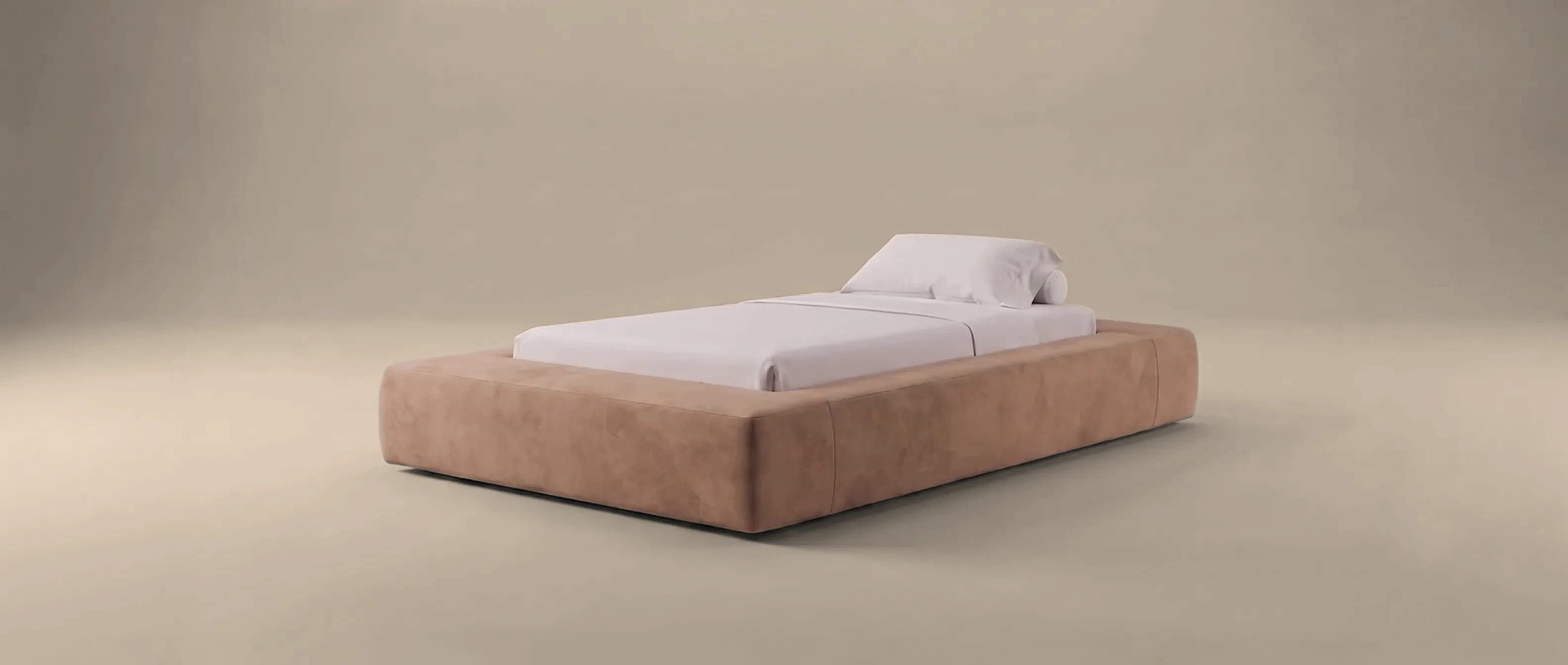
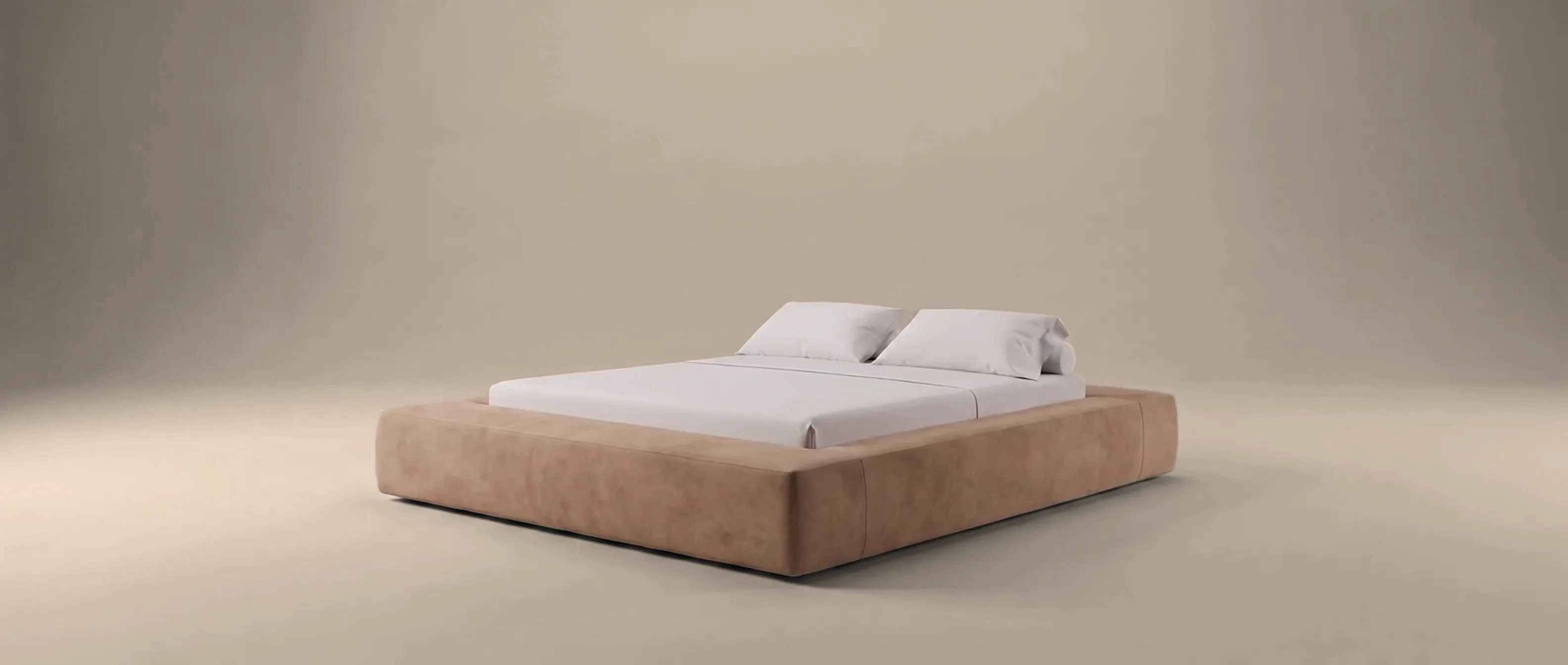
VIGOORI measures before it regulates. SleepPulse records your movements in the Power Bed and translates them into the Night Motion Score from 1 to 100. AmbientMonitoring measures temperature, light, humidity, particulate matter, gases and noise in your bedroom. ThermoBase keeps the sleeping surface at your temperature, and every morning the VIGOORI Performance App tells you what disrupted your night and what you can change.
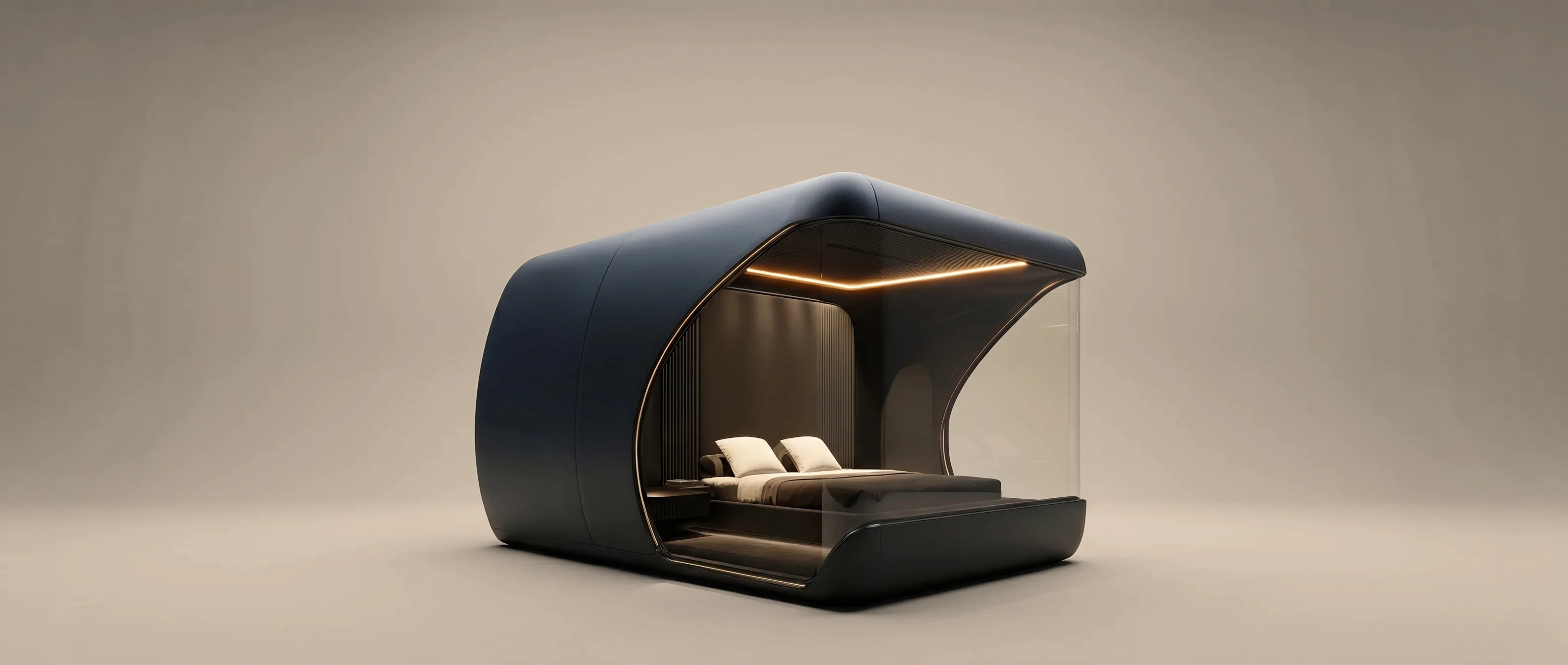
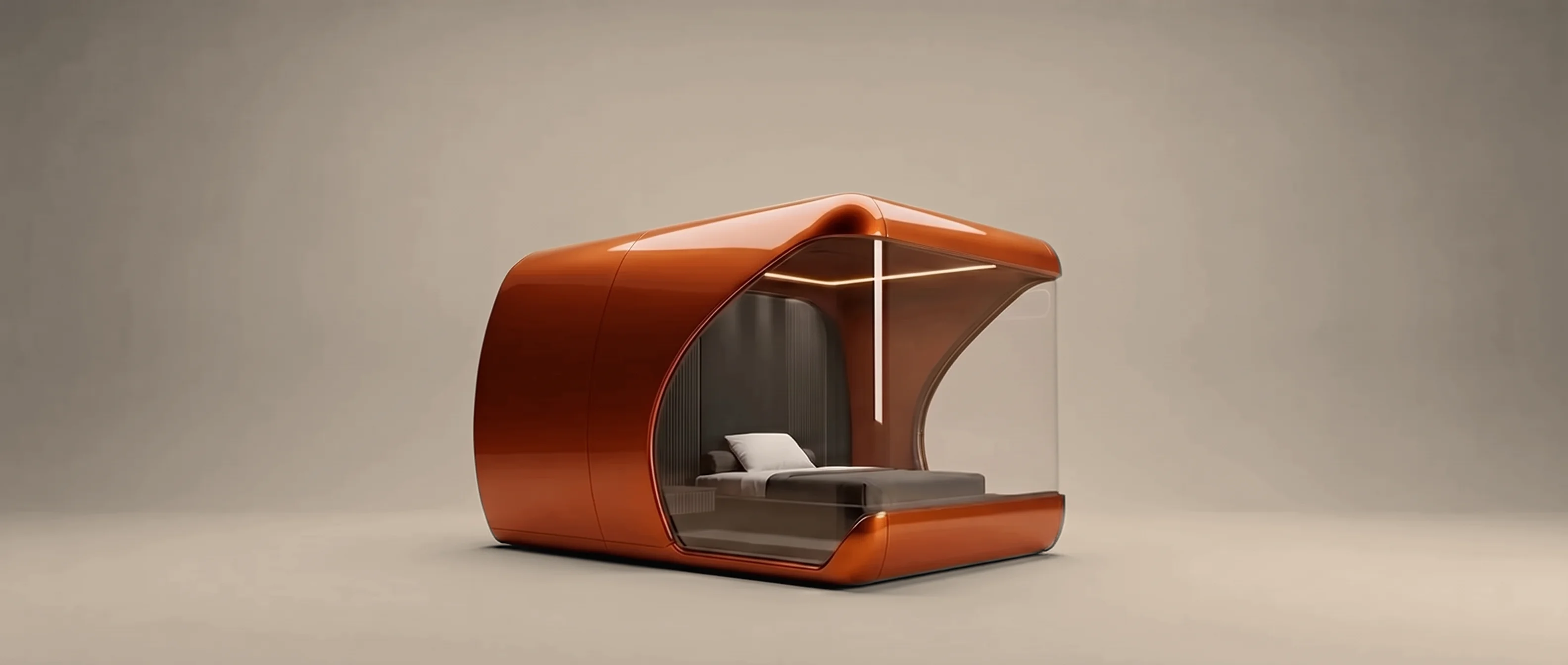
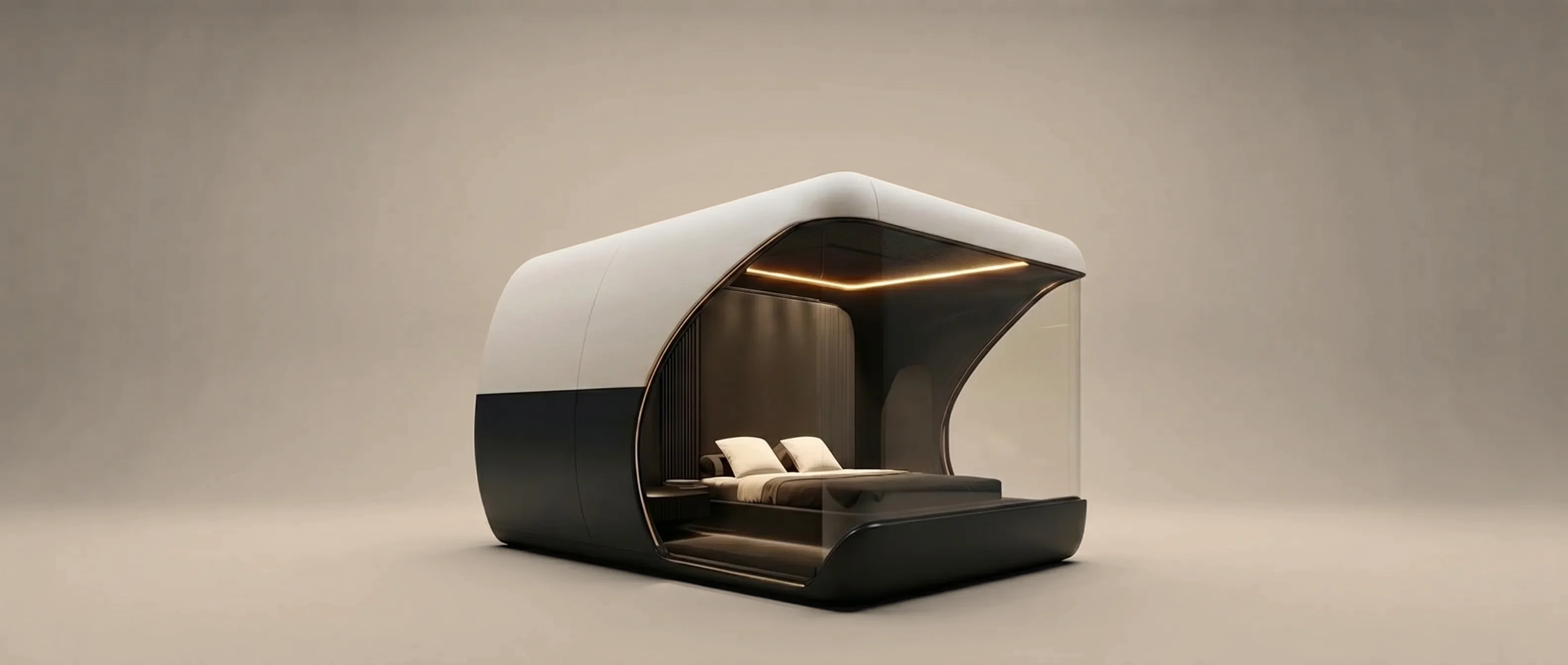
In the Power Cabin, the system regulates the values itself: ThermoDrift the room air, SolShift the light, EpiEcho the acoustics, EnvirOpt³ the air purity.
The result: nights you do not leave to chance. Sleep faster, recover deeper, perform better. SleepPulse, AmbientMonitoring and ThermoBase are available now in the Power Bed Podium Pace, the Power Cabin functions from April 2027.