Your sleep depends not only on you, but also on the room. Temperature, light, air and sound act all night, mostly unnoticed.
Research describes these factors precisely. Heat and high humidity increase wake time and reduce deep sleep [1]. For the sleep environment, experts recommend as little light as possible, at most 1 lux melanopic [2]. And with every 10 dB increase in night-time traffic noise, the probability of waking up rises [3].
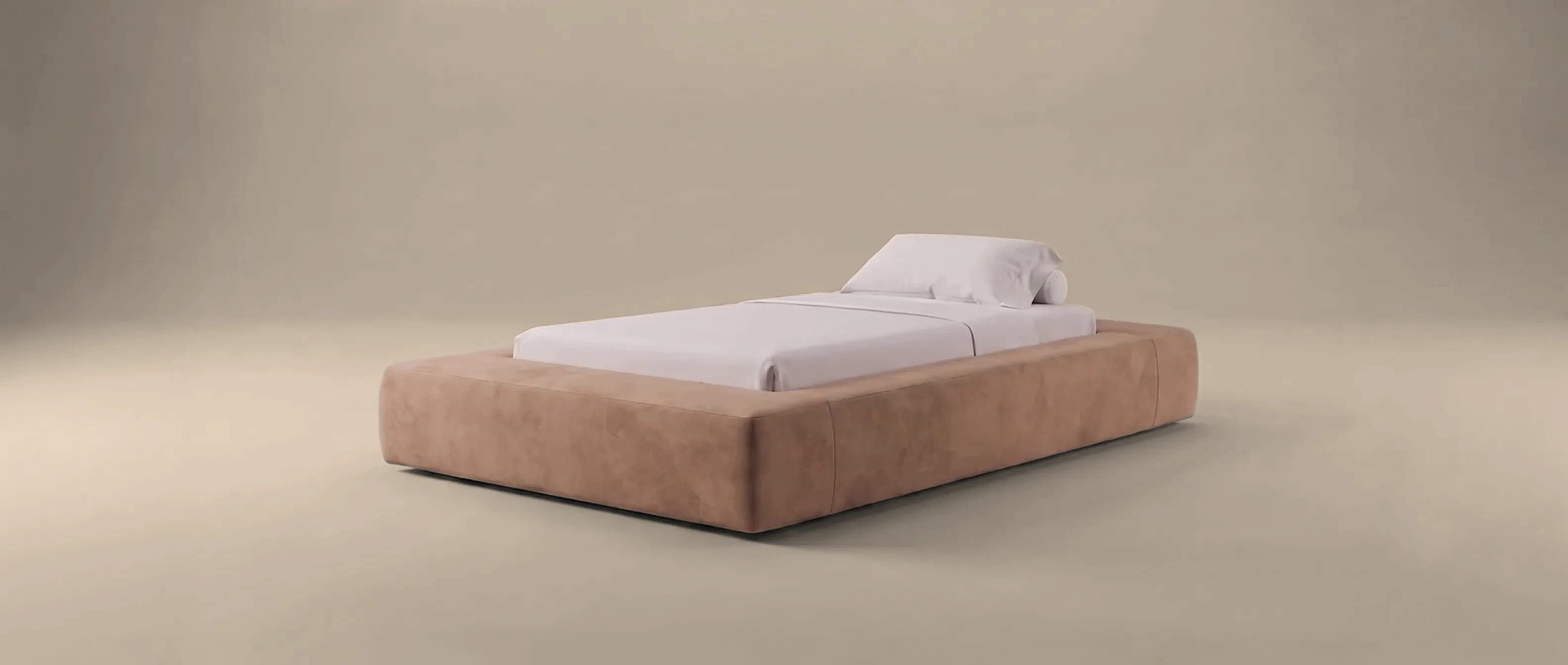
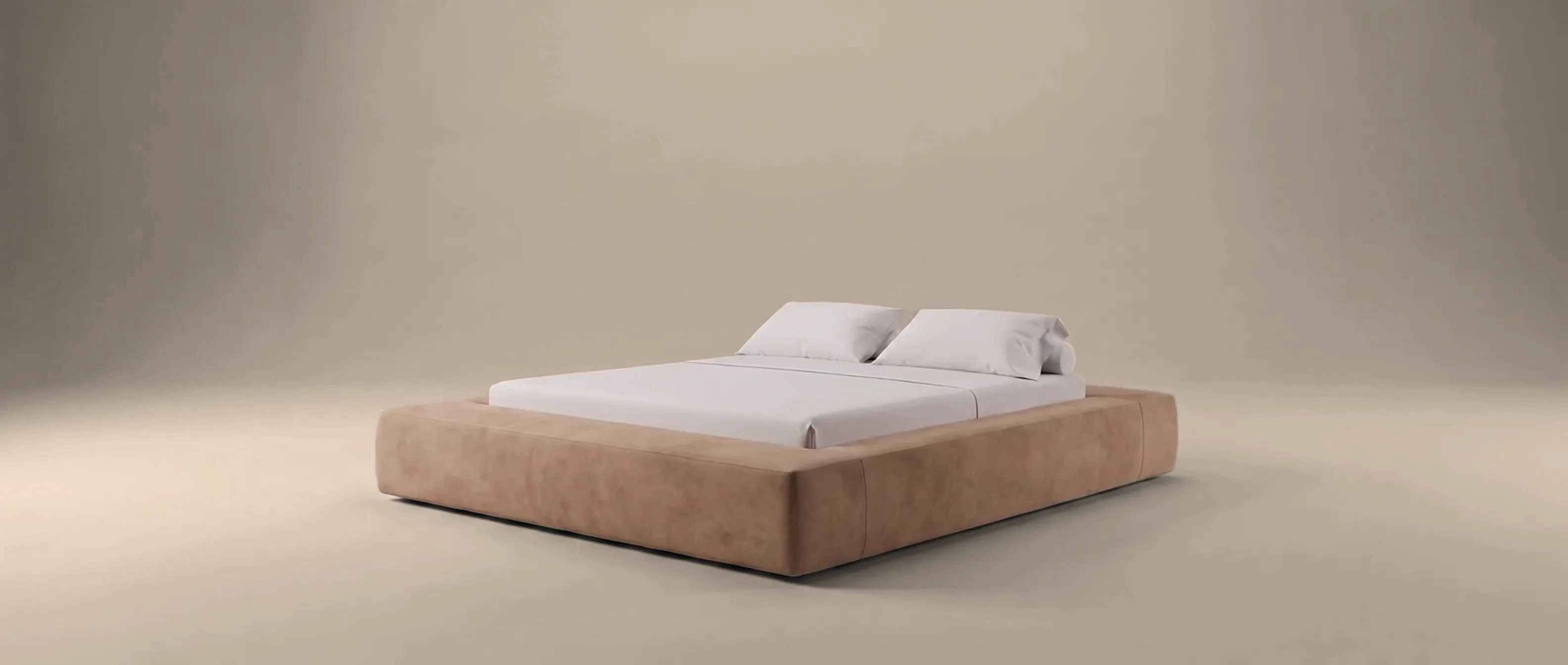
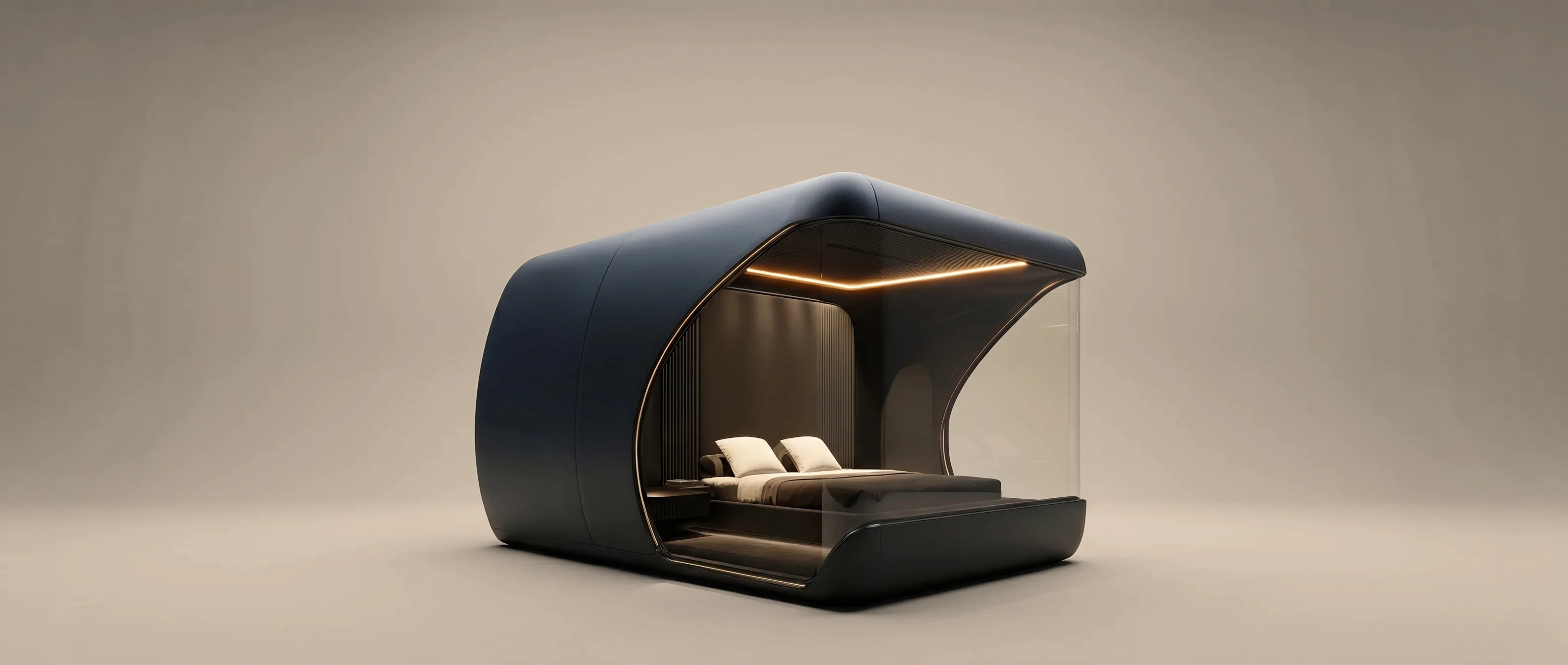
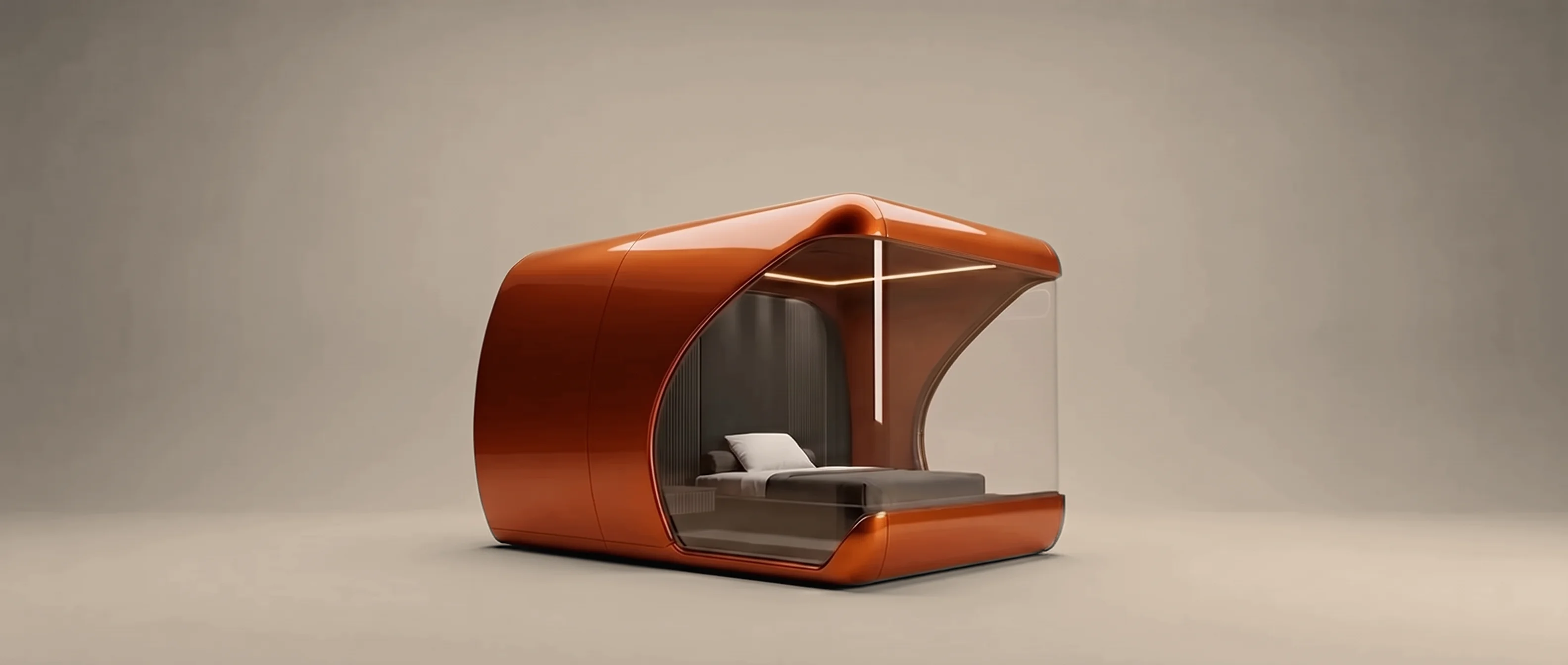
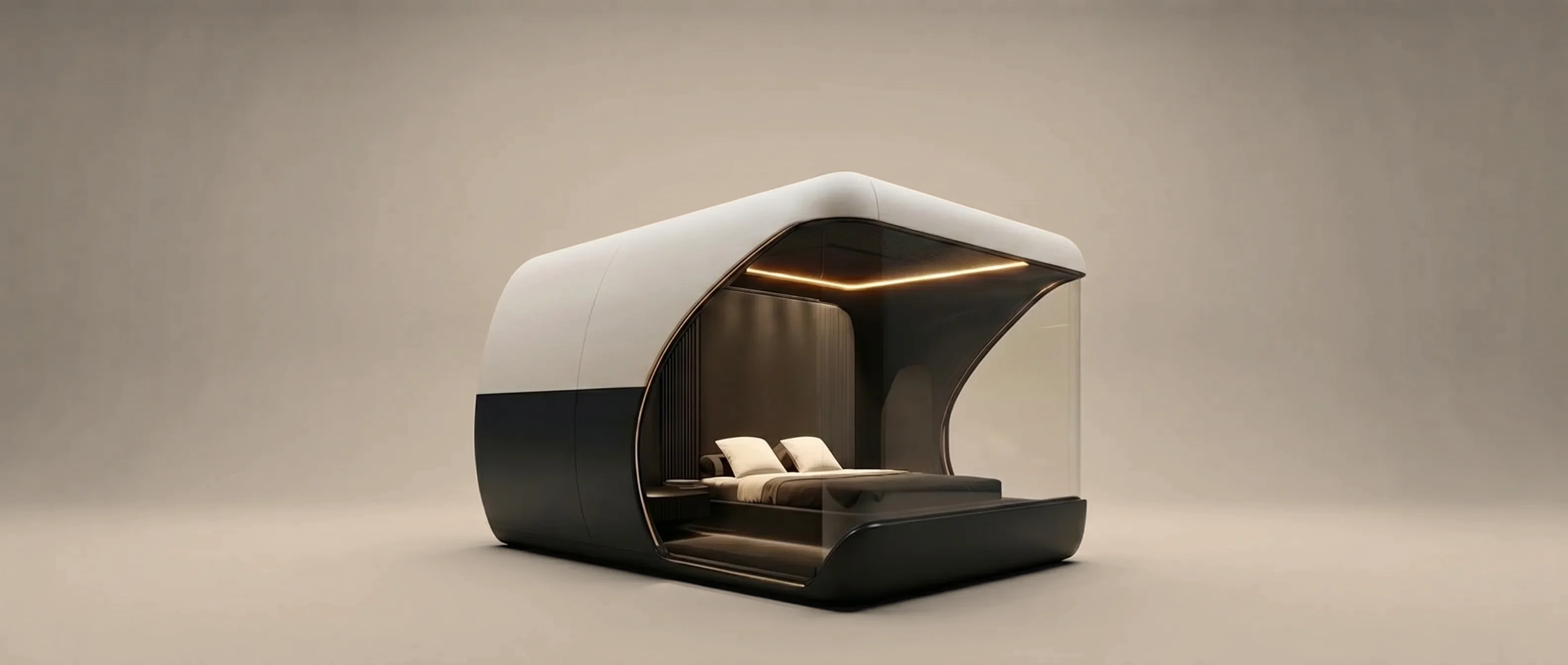
VIGOORI makes these values visible. AmbientMonitoring measures your sleep environment all night: temperature, light, humidity, air purity, gases and acoustics. In the Power Bed, the VIGOORI Performance App tells you what to do, and in the Power Cabin the functions regulate the values themselves.
The result: every disturbance recorded, every night. You see what your environment delivers. AmbientMonitoring is available now in the Podium Pace Power Bed and part of every Power Cabin.